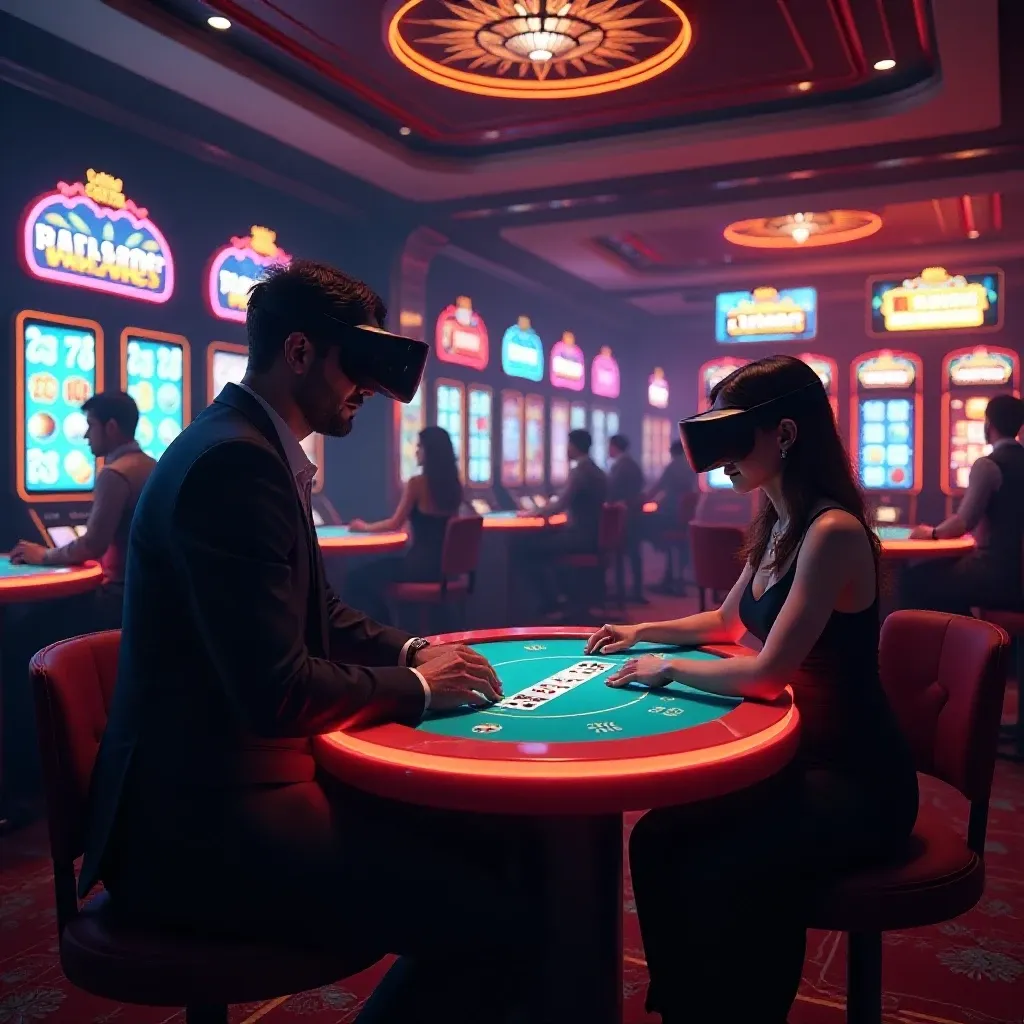
Fasten your seatbelts, folks, because the casino industry is about to get a serious upgrade! We’re not just talking about fancier carpets or slightly better odds on the roulette wheel. We’re talking a full-blown virtual reality (VR) revolution that’s set to redefine how we experience gambling.
Forget crowded tables and the clatter of coins. Imagine stepping into a casino where the entire environment morphs to match your desires. Picture personalized gaming experiences so immersive, you’ll practically feel the cards in your hand or hear the roar of the crowd as your virtual horse crosses the finish line.
Virtual reality isn’t just a futuristic gimmick; it’s a game-changer. For casinos, this technology presents an unprecedented opportunity to attract a new generation of players, revitalize classic games, and generate revenue streams they haven’t even dreamed of yet. So, whether you’re a seasoned high roller or a curious newcomer, get ready to explore how VR is poised to transform the gaming industry, one exhilarating, immersive experience at a time. We’re here to guide you through this thrilling transformation, offering insights and expertise to keep you ahead of the curve.
Understanding Virtual Reality (VR) Technologies
Virtual Reality (VR) transports you to entirely digital realms, offering immersive experiences that can redefine entertainment, and now, gambling. Augmented Reality (AR) subtly blends digital elements with your real-world view, think of digital cards appearing on a real poker table. Mixed Reality (MR) goes a step further, allowing digital and real-world objects to interact, creating a seamless hybrid environment. All these immersive technologies hold huge potential in the casino industry.
VR casinos utilize specialized hardware like VR headsets to visually plunge players into these digital gambling spaces, and rely on sophisticated software to run the games and environments. This combination creates a sensory experience far beyond traditional online casinos. Haptics, the technology of touch feedback, and motion tracking, which mirrors your real movements in the virtual world, are two crucial components that elevate immersion, making gameplay feel remarkably real.
VR Headsets and Equipment
VR headsets are the window into virtual casinos. Models like the Oculus Rift and HTC Vive are popular choices, each with unique features. Key specs to consider include resolution – the higher, the sharper the image – and field of view, which determines how much of the virtual world you can see at once. Comfort is also critical for extended gameplay. Some headsets are better suited for stationary experiences, while others allow for room-scale movement. For casino applications, ease of use and visual fidelity are paramount to ensure players feel comfortable and engaged.
Haptics and Motion Tracking
Haptics is all about adding the sense of touch to VR. Imagine feeling the weight of poker chips in your hand or the subtle vibration of a winning slot machine. This realistic feedback dramatically increases immersion. Motion tracking allows the VR environment to accurately reflect your movements. Using VR gloves, players can reach out, grab cards, roll dice, and interact with the game just like in a real casino. When combined effectively, haptics and motion tracking create a natural and intuitive VR experience, blurring the line between the digital and physical worlds.
The Current State of VR in Casinos
Virtual reality is steadily carving out a niche for itself in the online gambling world, offering a more immersive and engaging alternative to traditional online casinos. While still in its early stages, VR casinos are beginning to offer a range of experiences, from virtual slots to enhanced live dealer games.
The integration of VR technology aims to replicate the atmosphere of a physical casino, providing players with a more social and interactive experience from the comfort of their homes. This includes the ability to virtually walk around a casino floor, interact with other players, and experience the sights and sounds of a real-world gambling environment. The development and adoption is still nascent because of regulation hurdles concerning legal gambling matters.
Virtual Reality Slots
VR slots are transforming the traditional slot machine experience by plunging players into immersive virtual environments. Imagine stepping into a virtual jungle for a themed slot game, or exploring an ancient tomb while spinning the reels. These enhanced virtual environments, coupled with interactive bonus rounds, significantly increase player engagement by offering a more dynamic and exciting gaming experience.
VR Poker and Table Games
VR poker and table games replicate the atmosphere of a real casino, providing a social and interactive experience for players. The ability to interact with realistic, AI-driven or human dealers, and observe other players’ mannerisms, adds a layer of realism that is lacking in traditional online poker. This social element, combined with the enhanced visuals and sounds, creates a more engaging and authentic casino experience.

Benefits of VR for Casinos
Virtual Reality (VR) is revolutionizing various industries, and the casino world is no exception. Adopting VR technology presents compelling advantages, promising increased revenue streams, effective new customer acquisition strategies, and significantly enhanced player engagement. Casinos embracing VR are positioning themselves for a future where entertainment is immersive, interactive, and highly personalized.
Attracting New Demographics
One of the most significant benefits of VR for casinos is its power to attract younger demographics. Tech-savvy millennials and Generation Z are drawn to immersive digital experiences, making VR a natural fit. These generations seek interactive entertainment, and VR casinos offer a compelling alternative to traditional gambling. By providing cutting-edge VR games and experiences, casinos can tap into a vast, new market of potential players eager to explore the future of entertainment.
Enhancing Player Engagement
VR takes player engagement to unprecedented levels. Immersive VR environments transform gambling from a passive activity into an active, engaging experience. Players are no longer just watching; they are participating in a virtual world where they can interact with the game, other players, and the environment. This heightened level of engagement leads to increased time spent gambling, as players become more invested in the immersive experiences. Personalized gameplay, tailored to individual preferences, further enhances the sense of involvement and keeps players returning for more.
Brand Differentiation
In the competitive casino industry, standing out from the crowd is crucial, and VR offers a potent tool for brand differentiation. By incorporating VR into their offerings, casinos can create unique experiences that set them apart. This innovation projects a cutting-edge and innovative brand image, attracting attention and generating buzz. VR helps casinos gain a competitive edge by offering something that traditional establishments cannot: a glimpse into the future of gambling entertainment.
Challenges and Considerations
Casinos eyeing the VR realm must navigate a landscape dotted with potential roadblocks. The path isn’t always smooth, and a clear understanding of these challenges is crucial for successful adoption. Key concerns revolve around cost, the technical complexities inherent in VR, and the ever-present regulatory maze.
Cost and Implementation
The initial investment in VR can be a significant hurdle. VR equipment costs, encompassing headsets, tracking systems, and powerful computing hardware, quickly add up. Then comes software development, which means designing immersive gaming experiences, requires specialized skills and resources. Integration challenges further compound costs. Seamlessly blending VR into existing casino operations often necessitates infrastructure upgrades, including high-bandwidth networks and robust server capabilities. While the initial outlay is considerable, it’s essential to consider the long-term cost-effectiveness. VR has the potential to attract a wider audience, leading to new revenue streams. Savvy casinos will explore financing options, phased implementations, and partnerships to mitigate the impact of these upfront expenses.
Regulatory Hurdles
The gambling industry already operates within a complex web of gambling regulations, and VR casinos introduce a new layer of ambiguity. Licensing becomes a tricky issue. Current frameworks may not adequately address VR gambling, requiring casinos to navigate uncharted legal territory. Compliance is equally challenging. Ensuring fair play, preventing fraud, and verifying player identities in a virtual environment demand innovative solutions. Responsible gambling takes on added importance. Protecting vulnerable individuals from problem gambling in an immersive VR setting requires proactive measures and robust safeguards. Data privacy is another major concern. VR generates a wealth of personal data, demanding strict adherence to data protection laws and ethical handling practices.
Future Trends and Predictions
The future of VR in the casino industry is poised for remarkable evolution, driven by emerging technologies and significant growth potential. Integration of artificial intelligence, blockchain technology, innovative skill-based games, and the promise of personalized experiences are set to redefine the landscape. Industry insights suggest a surge in VR adoption, with players seeking more immersive and interactive gambling environments. As technology advances, VR casinos are expected to become more sophisticated, offering a blend of realism and convenience that traditional casinos cannot match. The convergence of these trends indicates a vibrant and dynamic future for VR gambling.
AI and Personalized Experiences
Artificial intelligence (AI) is on the brink of revolutionizing VR casino experiences by providing personalized gaming like never before. By analyzing player behavior, preferences, and skill levels, AI algorithms can tailor VR environments to suit individual tastes. This leads to adaptive gameplay where the difficulty adjusts in real-time, ensuring an engaging yet challenging experience. Imagine VR games that evolve based on a player’s style, offering customized challenges, personalized betting recommendations and tailored gaming strategies, significantly enhancing player satisfaction and retention.
Blockchain and Cryptocurrency
Blockchain technology is set to transform VR gambling by ensuring transparency and fairness across all gaming activities. Its decentralized ledger system records every transaction and game outcome, making it virtually impossible to manipulate results. Cryptocurrencies offer secure and anonymous transaction methods, appealing to players who value privacy. Digital wallets are already appearing in VR casinos, facilitating seamless deposits and withdrawals. This combination of blockchain and cryptocurrency not only enhances trust but also streamlines payment processes, making VR casinos safer and more accessible.

Getting Started with VR in Your Casino
Ready to plunge your casino into the immersive world of Virtual Reality? It’s not just about flashy tech; it’s about strategically enhancing the player experience. Let’s break down how to make VR adoption a winning bet.
Assessing Your Needs and Goals
Before diving headfirst, take stock. Conduct a frank assessment of your casino’s business needs. Pinpoint the key gaps in your current offerings. Where is the player experience falling short? What specific aspects could VR realistically elevate? Understand that a VR investment isn’t a magic bullet. Consider your infrastructure limitations and weigh them against the potential return. This preliminary assessment will determine if VR is genuinely the right fit or just a shiny distraction.
Selecting the Right Technology
The VR market is a dizzying array of headsets and platforms. Prioritize quality and reliability over mere novelty. Carefully evaluate hardware options, balancing cost with performance. A clunky, low-resolution experience will sour players faster than a cold streak. Equally important is software compatibility. Ensure the VR platform seamlessly integrates with your existing casino management systems. Explore different software platforms, weighing their features and content libraries against your specific gaming needs. Choose tech that enhances, not complicates, the gaming floor.
Creating Staff Training
A smooth VR transition hinges on a well-trained staff. Equip your team with the expertise to confidently operate and troubleshoot the new technology. Comprehensive training should cover everything from basic headset maintenance to resolving common technical glitches. But it goes beyond technical know-how. Train your staff to be VR ambassadors, guiding players through the experience and ensuring a friendly, intuitive user interface. The goal is to empower your staff to deliver exceptional customer service in this new digital realm.
Conclusion
The advent of VR, AI, and blockchain technologies is poised to redefine the casino landscape. The immersive experiences offered by VR, coupled with the analytical power of AI and the transparent security of blockchain, are creating a new paradigm for both players and operators.
As we look to the future, the integration of these technologies promises even more personalized, secure, and engaging gaming environments. The VR revolution isn’t just about novelty; it’s about fundamentally changing how we interact with and experience casino gaming, opening up unprecedented opportunities for innovation and growth within the industry. The casinos that embrace these innovative technologies will be well-positioned to thrive in the future of casinos.